




PRIMA HOME 
PRIMA PROFESSIONAL

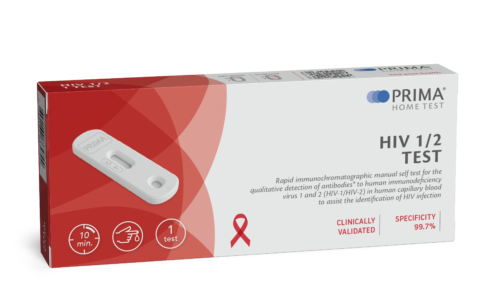
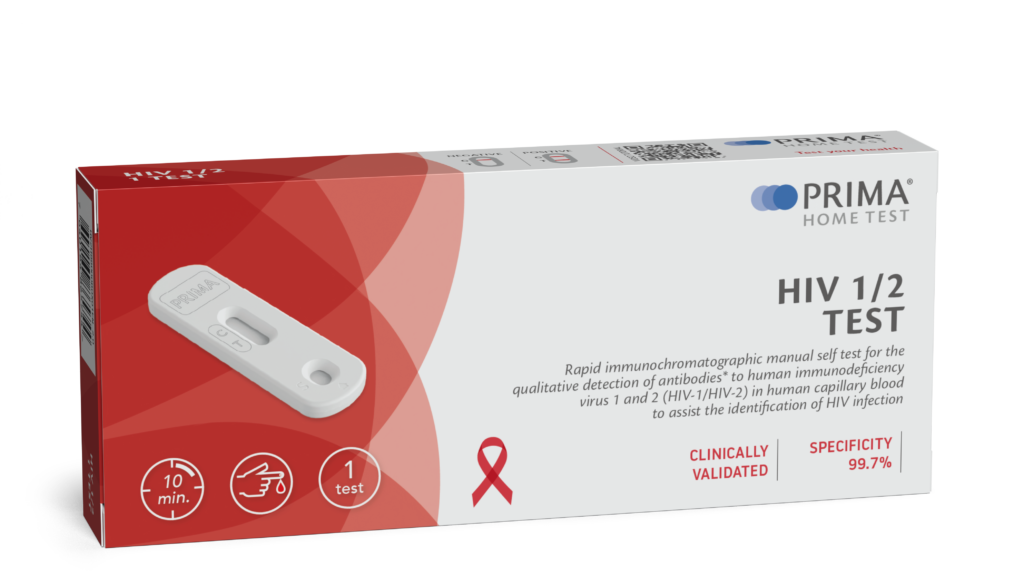
Rapid immunochromatographic manual self-test for the qualitative detection of antibodies to human immunodeficiency virus 1 and 2 (HIV-1/HIV-2) in human capillary blood to assist the identification of HIV infection. Antibody tests can take 23 to 90 days (window period) to detect HIV infection after an exposure
Human immunodeficiency virus, or HIV, is a pathogen that attacks and suppresses the immune system by specifically affecting white blood cells.
read moreThe virus can be transmitted (a) sexually – through unprotected sex, (b) with blood – for example through the exchange of syringes – and (c) vertically – from mother to child during pregnancy, at birth and, more rarely, through breastfeeding.
Without specific treatment, the virus weakens the subject’s immune system to the point of inducing the development of acquired immunodeficiency syndrome, or AIDS. It is a syndrome that can occur in people with HIV even several years after the infection, when the immune system’s efficiency dramatically falls, and the body loses its ability to fight even the most common infections.
The onset of AIDS can be prevented by taking appropriate antiretroviral therapy at an early stage.
HIV 1/2 TEST can be performed by anyone who has been, or suspects to have been, exposed to the virus, people with HIV symptoms or anyone who wants to check a possible ongoing infection.
read moreAmong the most common HIV symptoms there are: fever, rash, sore throat and/or oral candidiasis, swollen glands, headache, joint and/or muscle pain.
HIV 1/2 TEST is an immunochromatographic assay, able to detect anti-HIV antibodies in human blood samples.
| Specificity | 99.7% |
| Sensitivity | 99.3% |
| Accuracy | 99.6% |
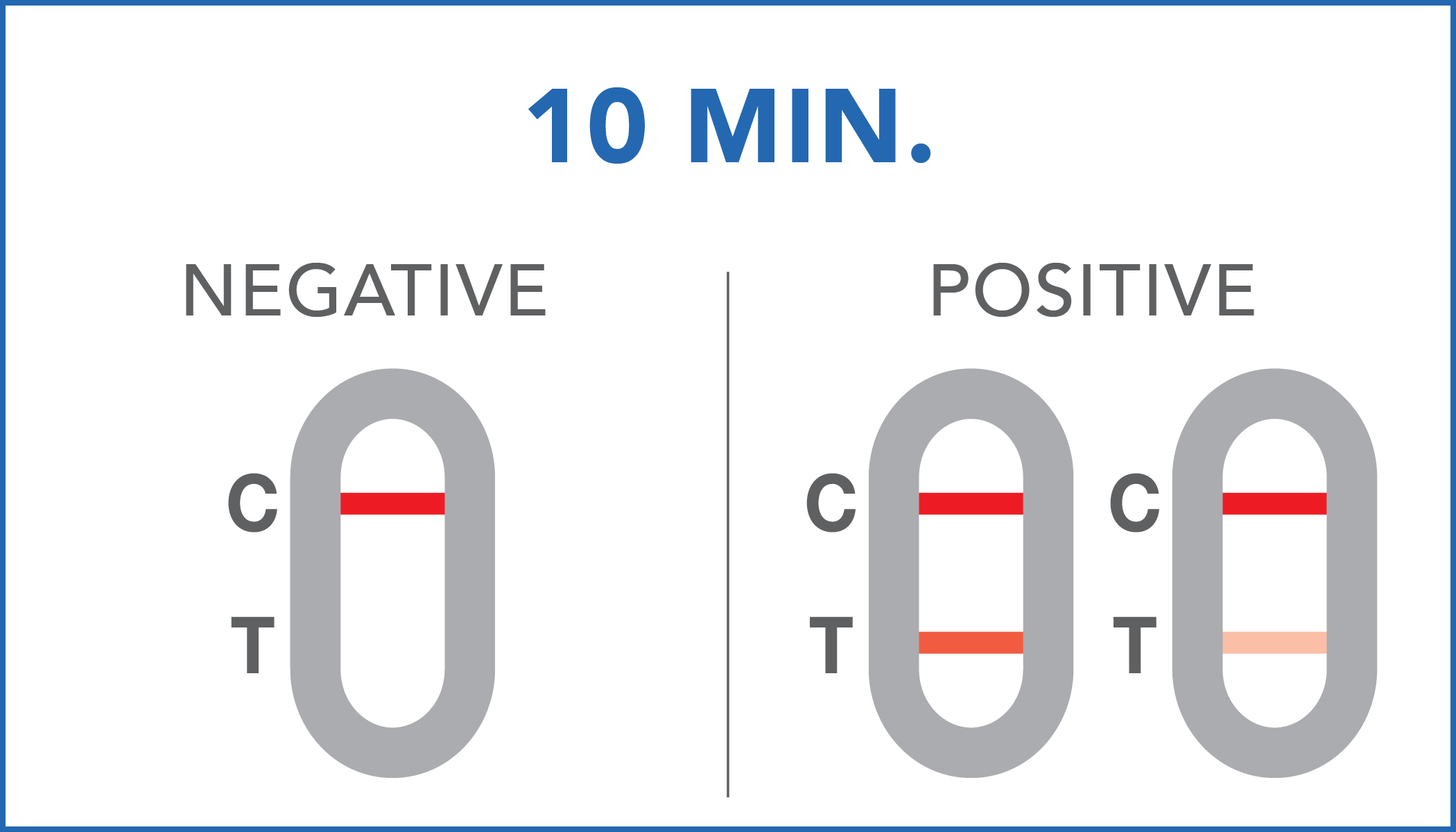
| Negative | no antitoxin antibodies have been detected in the sample or their concentration is below the cut-off. If you doubt having been exposed to the virus in the past 3 months, it is possible that the antibodies have not yet been produced by the body. In this case it is recommended to repeat the test 3 months after possible exposure. |
| Positive | HIV antibodies have been detected in the sample and thus a possible seropositivity condition. It is necessary to check with a specialist. |
1. https://www.who.int/health-topics/hiv-aids/#tab=tab_1
2. Branson BM, Owen SM, Wesolowski LG, et al. CDC. Laboratory Testing for the Diagnosis of HIV Infection: Updated Recommendations. https://dx.doi.org/10.15620/cdc.23447
3. Hurt CB, Nelson JAE, Hightow-Weidman LB, Miller WC. Selecting an HIV test: a narrative review forclinicians and researchers. Sex Trans Dis 2017; 44:739-746
4. Centers for Disease Control and Prevention, HIV Testing, https://www.cdc.gov/hiv/testing/
5. Jamil MS, Eshun-Wilson I, Witzel TC, Siegfried N, Figueroa C, Chitembo L, Msimanga-Radebe B, et al. Examining the effects of HIV self-testing compared to standard HIV testing services in the general population: A systematic review and meta-analysis. EClinicalMedicine. 2021; 7;38:100991
6. Taylor D, Durigon M, Davis H, Archibald C, Konrad B, Coombs D, Gilbert M et al. 2015. Probability of a false-negative HIV antibody test result during the window period: a tool for pre- and post-test counselling. Int J STD AIDS 2015; 26(4):215-24
The test has been carried out correctly when the instructions for use are followed. It includes the reading time and the interpretation of the results shown at the "RESULTS INTERPRETATION" secrion of the instructions for use.
A colored line will appear at the control region (C) on the test device, showing that the test performed correctly. The absence of the colored line suggests to repeat the test with a new device and a new sample.
The color and intensity of the lines do not affect the interpretation of the result. The test is to be considered positive regardless of the color intensity of the test line (T).


Check product availability with the local representative in your country
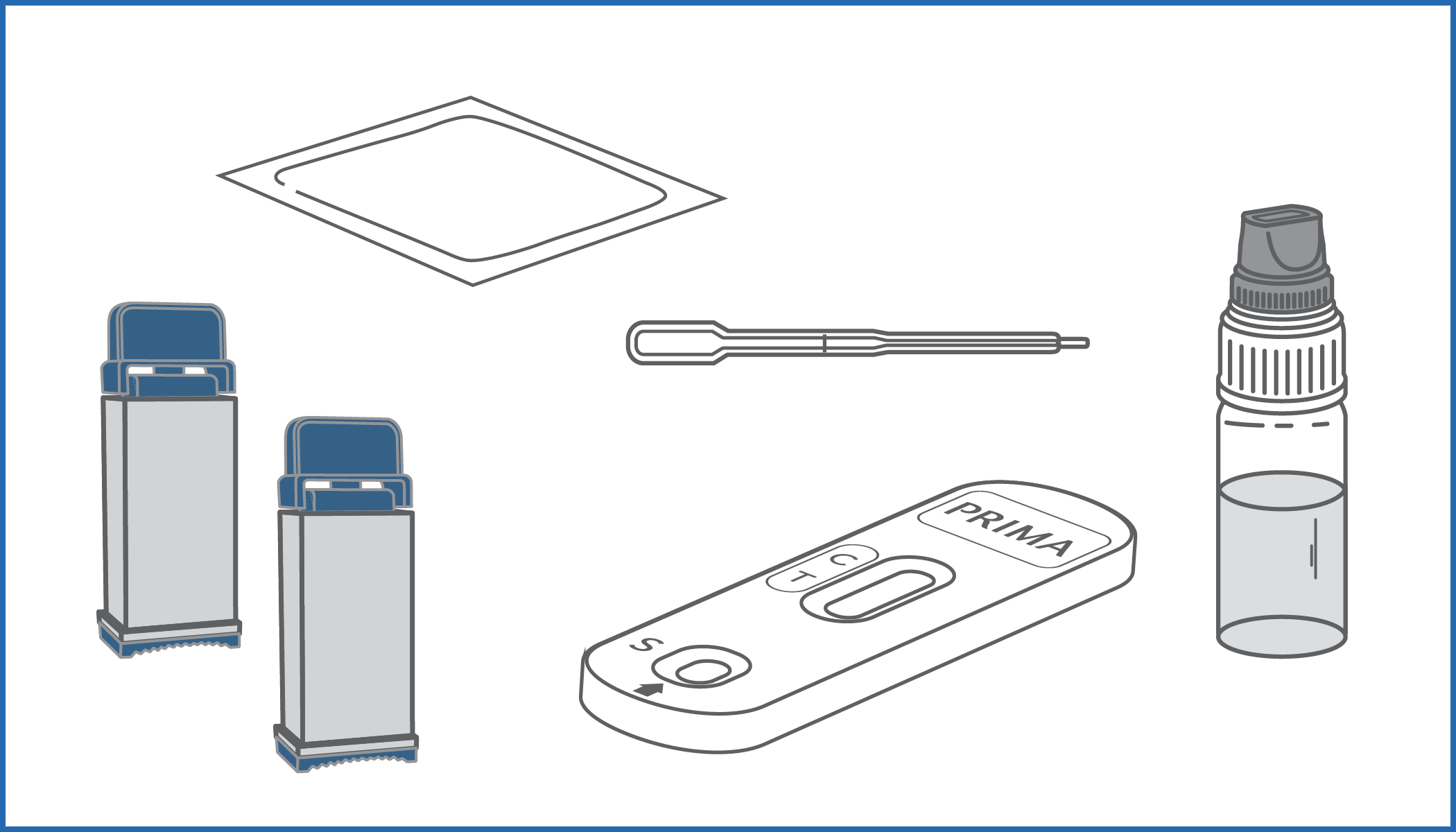
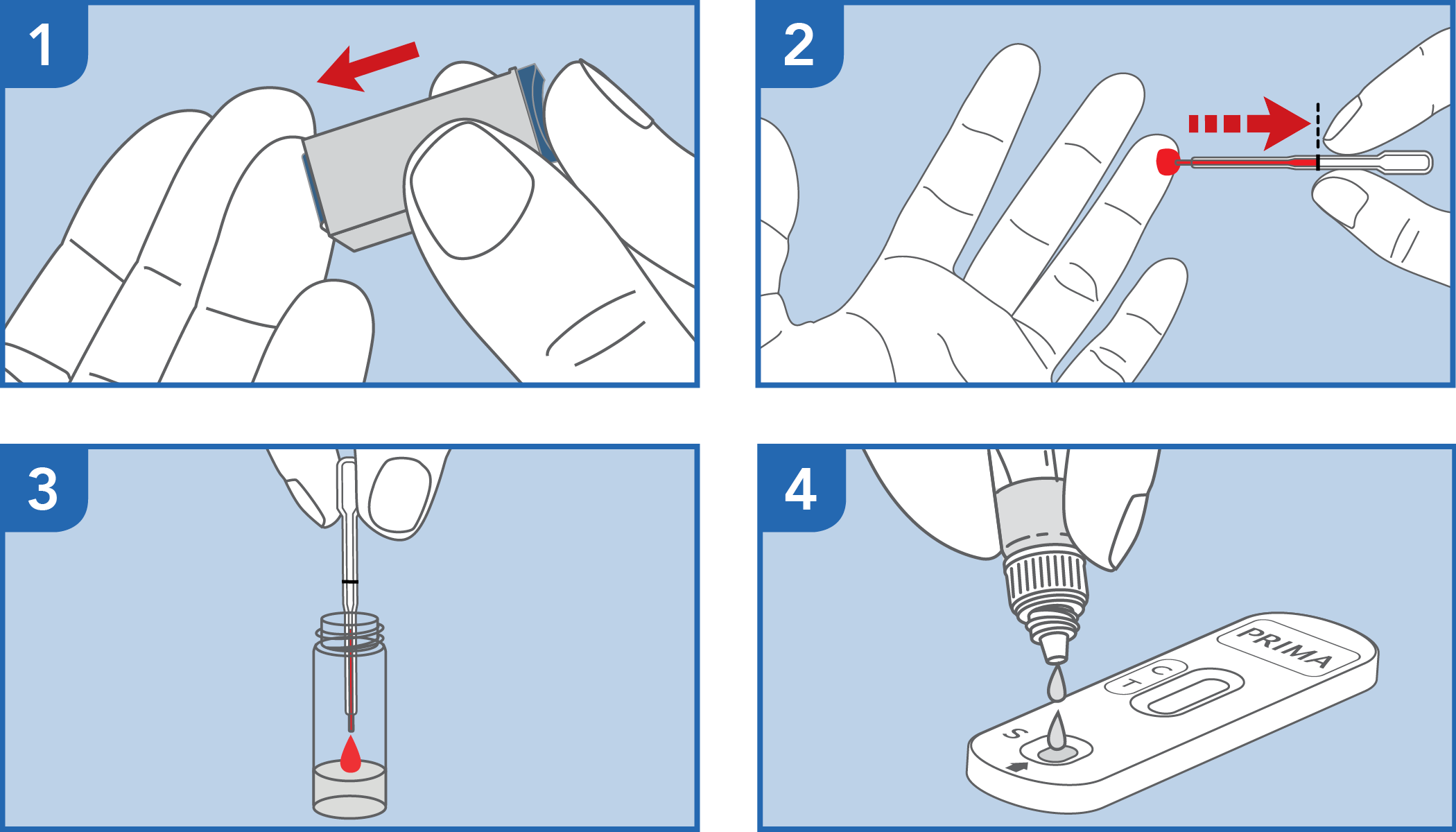
 USE PROCEDURE